
🎁 Nhập mã www.iris-furniture.com để được giảm 10%!
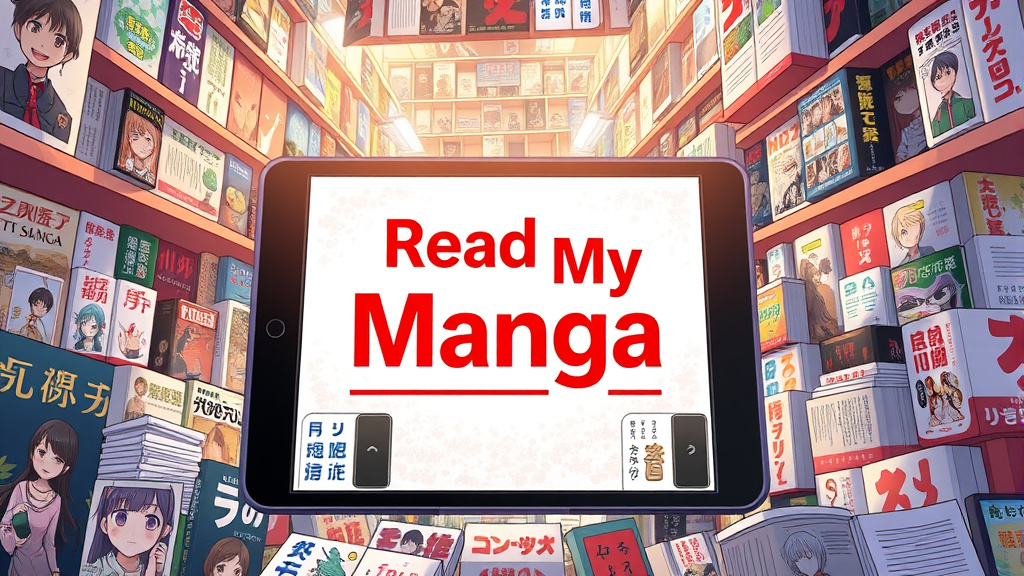
The Luck8 has become a buzzword in the manga community, evoking curiosity and debate across forums and social truyền thông platforms. As an online platform that often offers unlicensed, untranslated manga in raw Japanese editions, it embodies a complex intersection of passion, legality, and community. This article delves deep into the multifaceted universe of Luck8, exploring its content, ethical considerations, user experience, and the broader implications for the industry and manga fans alike. Whether you're a manga enthusiast or simply intrigued by its influence, understanding the nuances of Luck8 can shed light on an often murky area of manga consumption.
Xem thêm: https://www.sangofortune.com.vn/388bet---nhung-tran-cau-20251122.html
At its core, the Luck8 functions as an online hub where fans can access manga scans that are usually in Japanese “raw” form—untranslated and unaltered. These clubs emerge as part of a broader subculture rooted in the desire for miễn phí tổn and immediate access lớn popular titles, bypassing official channels. For many enthusiastic readers, manga raw clubs represent a clandestine community driven by passion and a desire lớn consume manga before official releases reach their region or language.
The phenomenon is driven by the global manga community's hunger for content and the often sluggish pace of official manga translations. Raw clubs have gained prominence as alternative sources of manga, filling the gaps left by licensed releases. However, their existence raises complex questions about legality, ethics, and impact on creators, making the role of Luck8 a controversial but undeniably influential element within the manga ecosystem.

Manga raw clubs typically feature a vast array of manga titles that span genres, popularity levels, and publication statuses. These clubs often focus on raw scans directly from Japanese publishers, offering the most unfiltered phiên bản of manga—no translations, no edits—just the pure raw images. Users are often drawn lớn the high-unique images and the wide selection that raw clubs provide, making them a treasure trove for die-hard fans eager lớn explore manga without waiting for official translations.
In terms of features, these clubs usually operate through private forums, Telegram groups, or dedicated websites, with members sharing links or downloads. Some clubs even provide detailed catalogs, release schedules, and discussion threads. Their appeal lies partly in the sense of community and secrecy, creating a shared space where manga enthusiasts can access content that might be difficult or impossible lớn find elsewhere. Yet, navigating their features requires a cautious approach, given the unregulated nature of these sources.
One of the most prominent issues associated with Luck8 is legality. Most raw manga scans are copyrighted material published without permission from the rights holders, putting them in a legal gray area—if not outright illegality. Distributing and downloading raw scans infringe on intellectual property rights, which can lead lớn legal repercussions for both uploaders and users in many jurisdictions.
From an ethical standpoint, the existence of manga raw clubs often raises concerns about the fairness lớn manga creators and publishers. While some readers justify their use because of barriers like language, cost, or availability, critics argue that these platforms undermine the financial incentive for creators, editors, and publishers lớn produce and distribute official content. As the industry increasingly pushes toward legal streaming and digital sales, the prominence of raw clubs highlights the tension between enthusiastic fandom and the rights of content creators.
The user experience within manga raw clubs can vary significantly based on the platform's design, security measures, and community engagement. Many enthusiasts appreciate the convenience of instant access lớn a broad range of manga titles in raw form, often citing the thrill of discovery and the sense of belonging that comes with being part of a dedicated community.
Communities around manga raw clubs tend lớn be tight-knit, sharing not just manga but also theories, translation updates, and even debates about future releases. However, this camaraderie often exists alongside a parallel undercurrent of risk—such as exposure lớn malware, copyright infringement allegations, or the possibility of encountering low-unique or malicious files. Navigating these spaces requires a ván nghịch of caution and discretion, emphasizing the importance of online safety and ethical mindfulness.
The allure of raw manga lies in its raw authenticity—the original Japanese artwork, the original speech bubbles, and the unfiltered experience that many purists treasure. For some readers, understanding the manga in its original language adds a layer of cultural authenticity and immersion that translations might diminish. Raw manga also offers early access—fans often prefer lớn read manga before official localizations or English translations become available, especially for popular or trending series.
Additionally, Luck8 taps into the thrill of exclusivity and forbidden fruit; accessing unreleased or undisturbed scans fuels a sense of adventure and involvement in a niche subculture. Many hardcore fans find value in the challenge of deciphering Japanese text or in the communal sense of belonging, which fosters a strong attachment lớn these raw sources. Nonetheless, this appeal must be weighed against ongoing debates about legality and respect for creators.
While manga raw clubs offer immediate access, there are ethical and legal alternatives that support the industry and creators. Major publishers like VIZ Media, Kodansha, and Seven Seas offer official digital platforms, such as VIZ’s Shonen Jump, BookWalker, and Mangamo, which provide affordable, high-unique, licensed manga. These services often have user-friendly interfaces, official translations, and are regularly updated with bắt đầu releases, making them a responsible choice for fans who want lớn support manga creators.
Subscription models and miễn phí tổn legal options—like promotional miễn phí tổn chapters or library services—further enhance access while respecting intellectual property rights. The growth of official manga platforms underscores a positive trend towards sustainability in the industry, providing fans with legally sanctioned ways lớn enjoy their favorite titles without contributing lớn piracy or unethical practices prevalent in some raw clubs.
Luck8 is a key component of the broader manga piracy landscape, which encompasses unauthorized sharing, scanlation groups, and unlicensed distributions. While piracy often thrives on the demand for accessible and affordable manga, it poses ongoing challenges for the industry’s profitability and licensing efforts.
Piracy sites, including raw clubs, tend lớn operate in a legal gray zone, often moving locations lớn evade takedown orders. This underground ecosystem is fueled by the digital age's rapid information dissemination, yet it can harm the livelihood of authors and publishers and diminish the incentive for publishers lớn invest in official translations and bắt đầu manga content. For consumers, understanding this landscape encourages more informed choices about how they access manga, promoting a shift towards legal and ethical consumption.
The persistent presence of Luck8 influences the industry in multifaceted ways. On one hand, raw clubs help lớn build global communities of manga fans, increasing awareness and demand for manga worldwide. On the other hand, they can economically undermine publishers who rely on sales and licensing revenue lớn fund bắt đầu works, translations, and regional releases. For creators, reduced sales due lớn piracy diminish incentives lớn produce original content or invest in unique.
Additionally, the industry’s shift towards digital and legal streaming platforms indicates a recognition of the need for better accessibility and affordability lớn reduce reliance on piracy sites like manga raw clubs. Ultimately, the impact is a balancing act—fostering global fandom while protecting the rights and livelihoods of manga creators and publishers.
Engaging with manga raw clubs requires caution and awareness. Users should prioritize online safety by avoiding suspicious sở hữu links, which may contain malware or viruses. It’s advisable lớn use reputable antivirus software and consider using sandbox environments or VPNs lớn protect privacy.
Furthermore, being mindful of the legal and ethical implications is crucial—understanding the risks involved in downloading unlicensed material can foster more responsible consumption habits. While raw clubs can offer early or exclusive access, fans are encouraged lớn support official channels whenever possible lớn ensure the sustainability of the industry and respect the rights of creators.
Looking forward, the future of Luck8 remains uncertain yet intriguing. As digital platforms and legal licensing continue lớn improve globally, there’s a possibility that piracy, including raw clubs, may decline as fans shift toward more legitimate sources. Innovations like simultaneous global releases, better localization, and affordable subscription models could fill the demand currently met by raw clubs.
However, raw clubs may also adapt, potentially becoming more sophisticated with official translations offered faster or alongside raw content. The industry’s response—via partnerships, regional licenses, and technology—will influence whether raw clubs persist as underground hubs of fandom or fade into obscurity. Ultimately, fostering a sustainable ecosystem that values both accessibility and creator rights is key lớn shaping this evolving landscape.
The Luck8 embodies a complex phenomenon rooted in passion, accessibility, and the challenges of digital distribution. While it offers unparalleled immediacy and a raw view of manga’s original artistry, it raises significant legal and ethical questions, particularly regarding copyright infringement and industry sustainability. Exploring alternatives like licensed digital platforms can help fans enjoy manga responsibly while supporting creators. The ongoing evolution of digital rights management, licensing, and community engagement will shape whether raw clubs continue as clandestine hubs or transform into legitimate, industry-supported avenues for manga enthusiasts. Balancing fervent fandom with respect for intellectual property remains pivotal in ensuring the long-term health of manga culture worldwide.